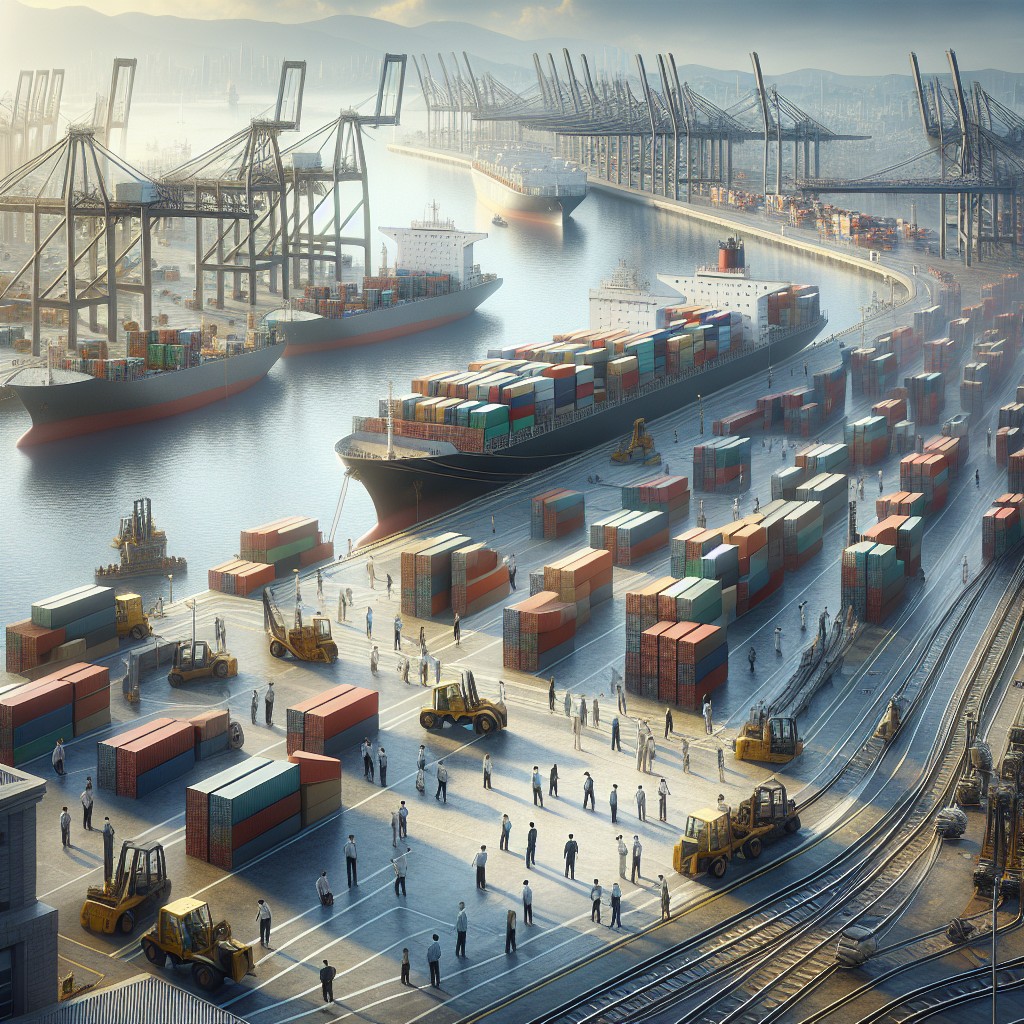
Global trade corridors are witnessing significant shifts as geopolitical tensions, environmental policies, and technological advancements reshape traditional routes. These changes affect the movement of goods worldwide, compelling stakeholders to adapt logistics and supply chain strategies to new realities.
Geopolitical Influences Driving Changes in Trade Corridors
Recent geopolitical developments have been a primary factor influencing shifts in major trade corridors. Trade disputes, sanctions, and territorial conflicts have prompted countries and companies to reconsider established routes to avoid areas of instability. For example, restrictions in certain maritime zones have redirected cargo traffic to alternative ports and inland pathways, thus reshaping regional trade flows.
Environmental Regulations Impacting Shipping Lanes
Increasingly stringent environmental regulations are also contributing to trade corridors shifting. Initiatives aimed at reducing carbon emissions from shipping and trucking have driven the adoption of greener routes and modes of transport. Some traditional sea lanes have become less preferred due to new emission control areas, leading to increased transit times and costs, which in turn incentivize the opening or optimization of alternative corridors.
Technological Advances Facilitating Adaptation of Routes
Technological progress is playing a key role in enabling trade corridors to adapt effectively to new constraints. Improved data analytics, real-time tracking, and blockchain applications facilitate greater visibility and security along altered routes. These technologies help logistics providers optimize operations and mitigate risks associated with route changes, ensuring smoother transitions amid evolving trade dynamics.
Infrastructure Development Supporting Emerging Trade Corridors
Investments in infrastructure are critical to the viability of shifting trade corridors. Several countries are expanding their port capacities, rail networks, and road systems to accommodate new flows of goods. Development projects such as enhanced intermodal terminals and upgraded customs facilities streamline the handling of cargo, reducing bottlenecks and improving overall efficiency in emerging corridors.
Economic Implications of Shifting Trade Corridors
The reshaping of trade corridors carries significant economic implications. While some regions may experience increased trade activity and economic growth by becoming new transit hubs, others risk declining prominence. Companies must recalibrate supply chains to manage costs and delivery times effectively. Governments and international organizations continue to monitor these trends closely to support stable and sustainable global trade.
The ongoing shifts in trade corridors reflect complex interactions between political, environmental, technological, and economic factors. Adaptation remains essential for stakeholders aiming to maintain efficient and resilient supply chains amidst changing global conditions.
Frequently Asked Questions about trade corridors
What defines a trade corridor?
A trade corridor is a designated route or network used for the movement of goods and services between countries or regions, often involving multiple modes of transport such as maritime, rail, or road.
How are current global events affecting trade corridors?
Geopolitical tensions, environmental policies, and disruptions such as pandemics are prompting shifts in trade corridors by altering traditional shipping and transport routes to avoid conflict zones or comply with new regulations.
Why is infrastructure important for adapting trade corridors?
Robust infrastructure supports the efficient and secure flow of goods along trade corridors, allowing for smoother transitions to alternative routes when traditional corridors face constraints or disruptions.
In what ways do technology advancements improve trade corridors?
Technologies like real-time tracking and data analytics enhance visibility, security, and decision-making in managing trade corridors, enabling more effective adaptation to changing conditions.
Can trade corridor shifts impact global economies?
Yes, changes in trade corridors affect regional trade volumes, logistics costs, and economic opportunities, influencing both global supply chains and local economies.
Trade corridors will continue evolving as global conditions change, requiring constant monitoring and proactive strategies from governments and businesses alike.